

Classical Education
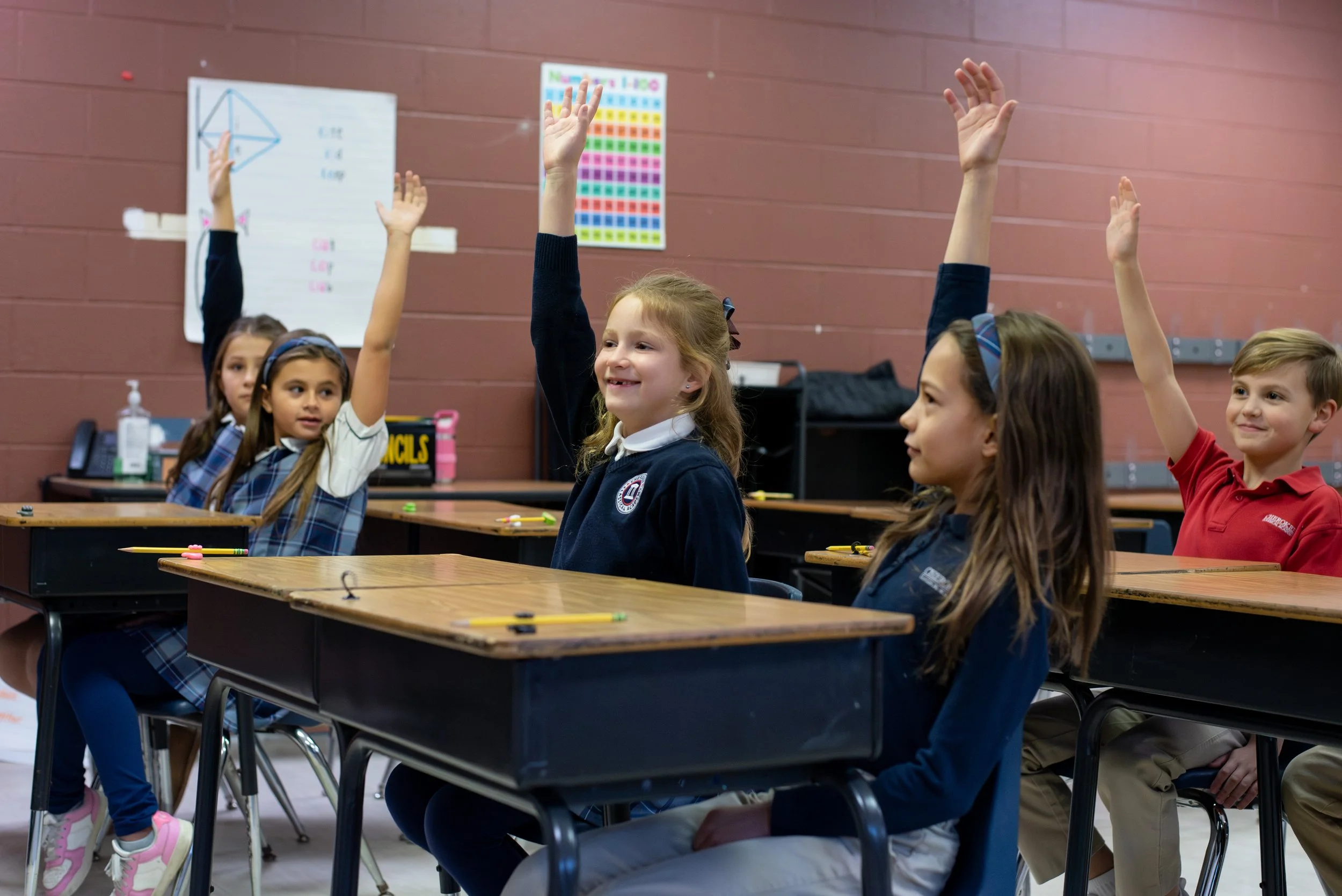
Classical education attends to a young person’s heart and mind by leading them toward moral and intellectual virtue. It offers students the accumulated wisdom of the “best which has been thought and said,” and liberates them to learn what is true, do what is good, and love what is beautiful. By teaching students to cultivate virtue, classical education leads them toward lives of freedom and moral responsibility. Students learn to govern themselves and acknowledge their duty to their families, their city, and their country.
At Cherokee Classical Academy, we are not simply preparing students for college or careers—we are preparing them for life. Through a content-rich curriculum, traditional teacher-led instruction, and the daily cultivation of virtue, we seek to develop young people of wisdom, character, and civic responsibility who love what is good, true, and beautiful.
What is Classical Education?
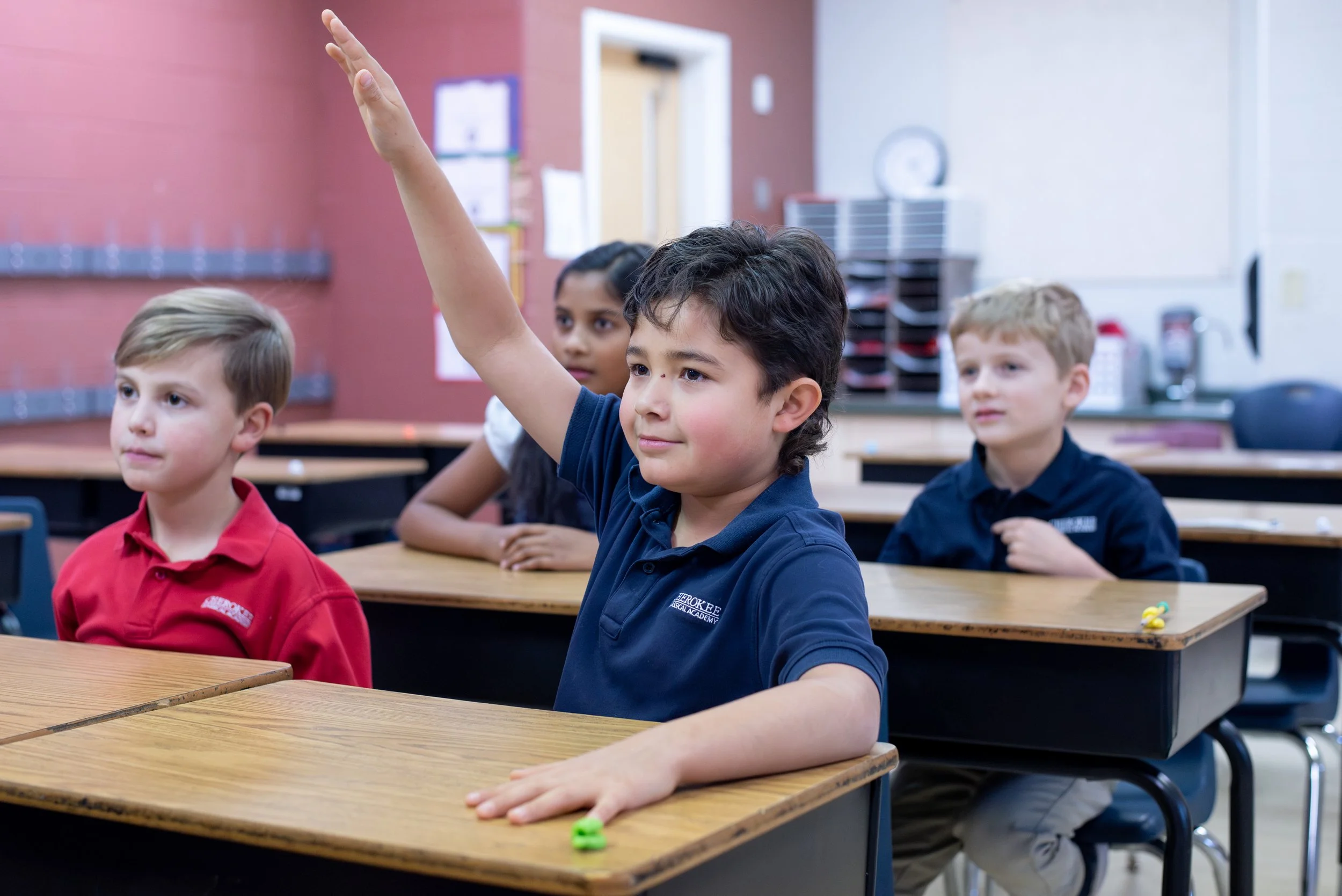
Academically, a classical education encompasses:
A curriculum that is content-rich, balanced, and inter-connected across the four core disciplines of math, science, literature, and history
Explicit instruction in phonics and grammar
An approach to instruction that acknowledges objective standards of correctness, logic, beauty, weightiness, and truth
A well-educated and articulate faculty who care deeply for their students and teach through excellent questions
A school culture of moral virtue, decorum, respect, discipline, and studiousness among both students and faculty
A three-phased conception of the trajectory of an education – known traditionally at the trivium – that consists of a progression from grammar through logic to rhetoric within each subject
A study of order in the natural world built fundamentally upon the four sciences of the quadrivium: arithmetic, geometry, astronomy, and music
A belief that math and sciences are more than job preparation and give students a language for understanding the order of the universe
A love of great books and a belief that stories and conversations about them change us as human beings
An ultimate aim of preparing students for lives of human flourishing

Learning the True, Doing the Good, Loving the Beautiful
At Cherokee Classical Academy, education is about far more than preparing students for the next test or the next grade level. Our curriculum is intentionally designed to cultivate knowledgeable, thoughtful, and virtuous young people.
Students study a rich sequence of literature, history, mathematics, science, fine arts, Latin, and physical education through a carefully planned curriculum that builds knowledge year after year. Rather than emphasizing trends or teaching isolated skills, we believe children flourish when they encounter enduring ideas, master foundational knowledge, and are challenged to think deeply.
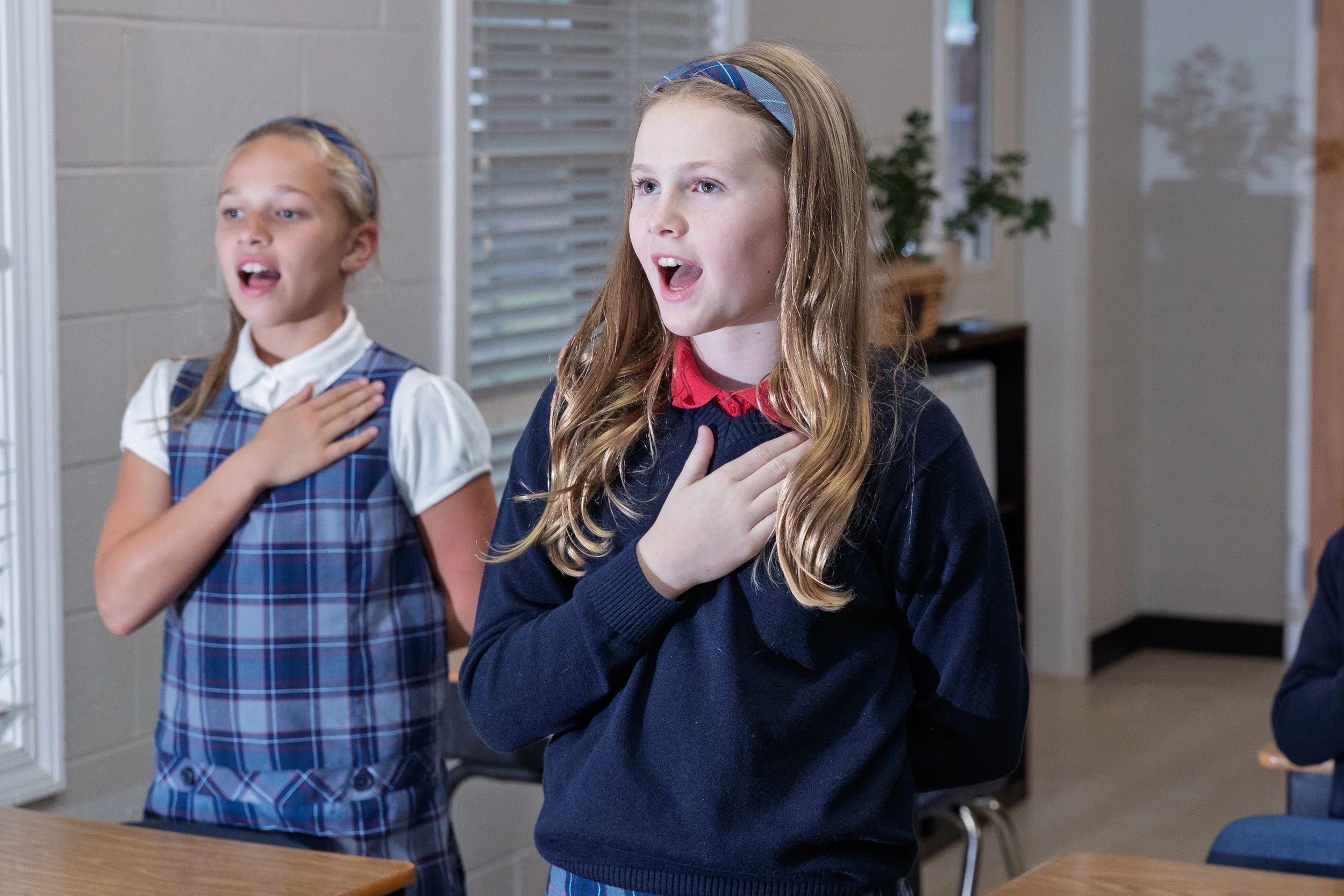
Our classrooms are teacher-led, orderly, and joyful. Students learn through discussion, narration, memorization, careful reading, writing, and problem solving. Technology is used sparingly because we believe the most important relationship in the classroom is between a knowledgeable teacher and an engaged student.
Ultimately, our goal is to help students become lifelong learners who possess both intellectual excellence and strong moral character.
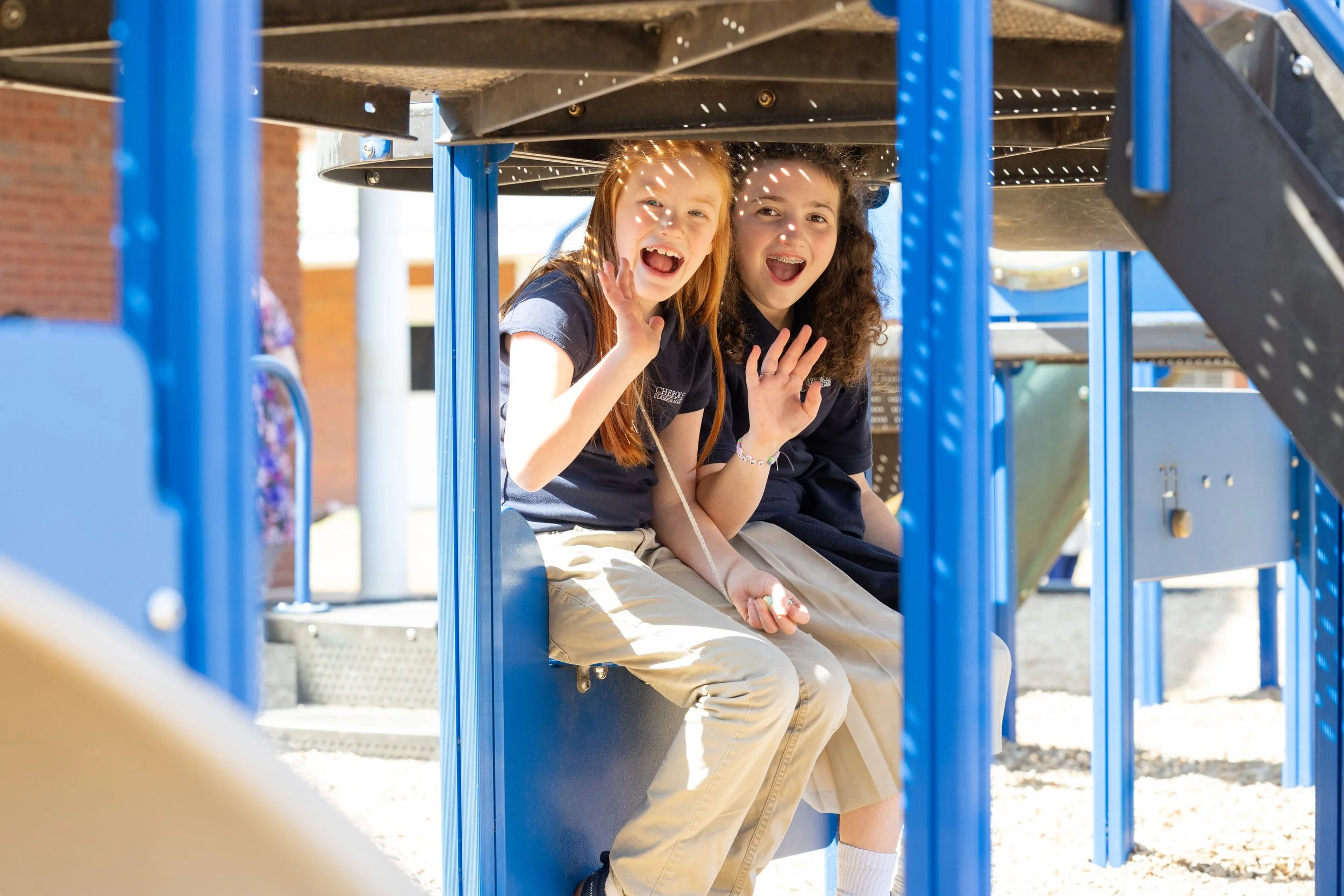
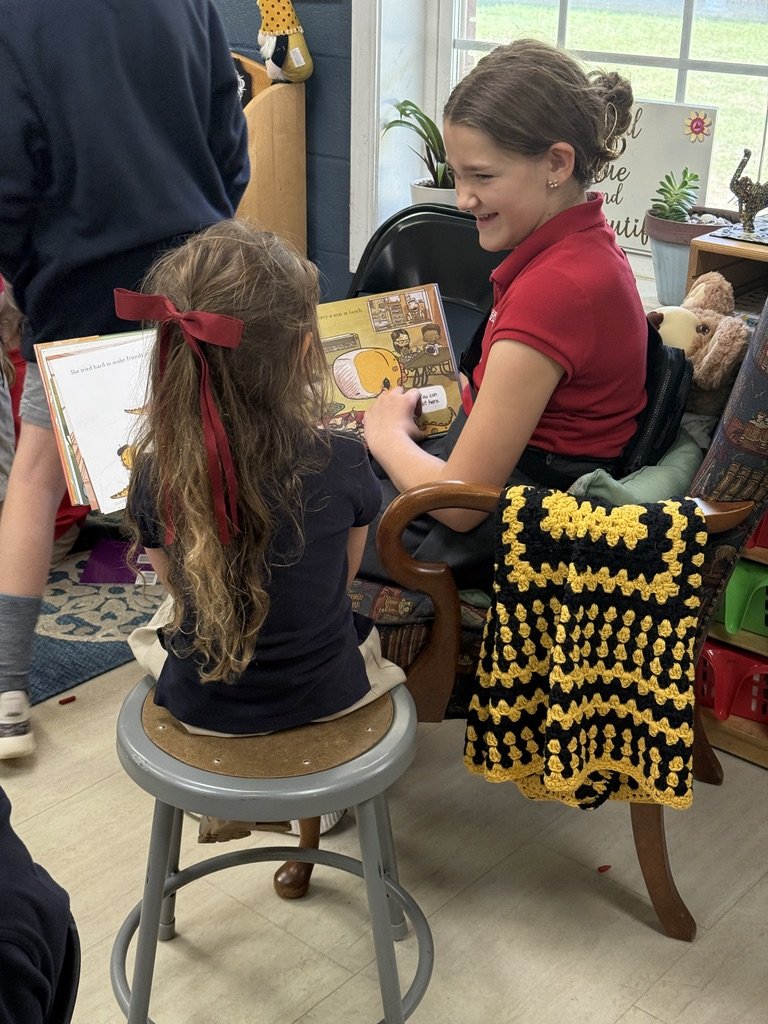
A successful classical education depends upon a strong partnership between the school and the home. Parents are a child's first and most important teachers, and Cherokee Classical Academy exists to come alongside families in that important work.
Our Partnership with Families
-
A safe, orderly, and joyful learning environment.
Excellent teachers who are experts in their subjects and committed to each child's growth.
Consistent communication regarding academics, behavior, and school life.
High academic expectations paired with appropriate support.
Decisions that are rooted in our mission and classical philosophy rather than changing educational trends.
-
Support the school's mission and uphold its values.
Ensure students arrive prepared, on time, and ready to learn each day.
Reinforce school expectations regarding academics, behavior, uniforms, and attendance.
Communicate concerns respectfully and directly with the appropriate school personnel. Communicate positive feedback as well.
Assume positive intent and partner with teachers to solve problems.
Model respect for the school, its faculty, and its community both in person and online.
Model these virtues as home and remind your students when they don’t meet your expectations, the virtues you feel they have not displayed.
Support your school and the school community through your donations and by volunteering your time.
-
Teach with excellence, clarity, and enthusiasm.
Know each student as both a learner and a person.
Model the virtues we seek to cultivate in our students.
Communicate professionally and partner with families.
Maintain classrooms characterized by order, joy, and meaningful learning.
-
Faithfully steward the mission and vision of Cherokee Classical Academy.
Support teachers in delivering an exceptional classical education.
Make decisions that prioritize students and the long-term health of the school.
Communicate openly, listen thoughtfully, and lead with integrity.
Foster a culture where students, families, and faculty flourish together.
When parents, teachers, and school leaders work together in mutual trust and shared purpose, children are given the best opportunity to grow in both knowledge and virtue.
At Cherokee Classical Academy, character formation is woven into every part of the school day. We believe education should cultivate both the mind and the heart.
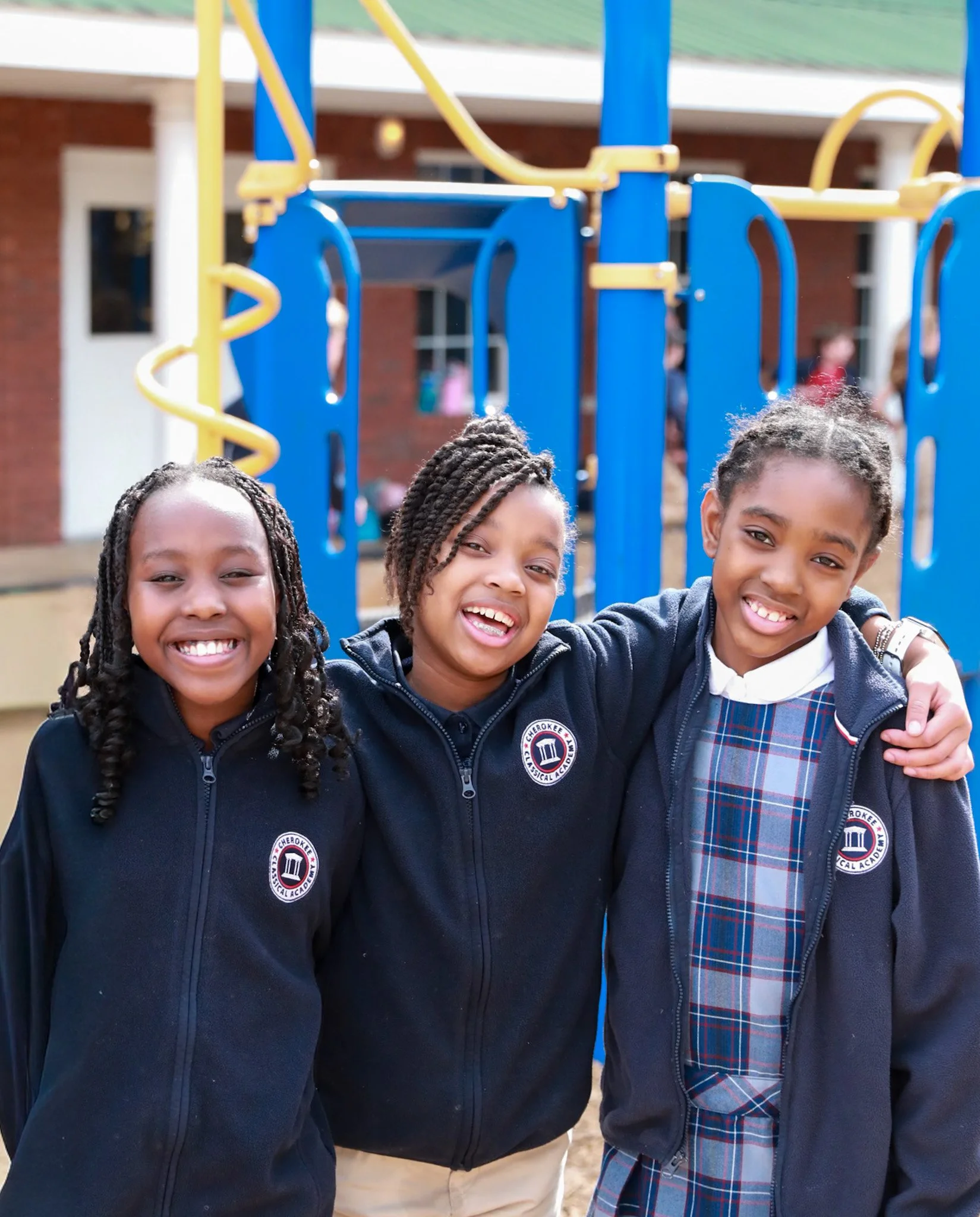
Our school is built around seven core virtues: courage, courtesy, honesty, humility, perseverance, self-government, and service. These virtues provide a common language that helps students understand not only what is right, but why it is right.
In a free society, individuals must first learn to govern themselves. Our discipline philosophy reflects that conviction. We seek to cultivate students who exercise self-government rather than requiring constant external control.
Because virtue is our aim, discipline is not simply about punishment or compliance. It is about forming habits that lead students to choose what is good, true, and right for its own sake. Mistakes become opportunities to teach, restore, and grow.
Parents should expect:
High behavioral expectations rooted in respect and self-government.
Consistent, fair consequences administered with dignity.
Teachers who correct and instruct rather than shame.
Clear communication when concerns arise.
A long-term commitment to helping every child grow in wisdom and character.
Character is formed over time. Children will make mistakes, and we view those moments as opportunities for growth rather than reasons for discouragement. We ask families to partner with us by reinforcing these same virtues at home. Together, we can cultivate young men and women who are prepared not only for academic success, but for lives of purpose and virtue.